
Engines consist of thousands of individual components, all working together to power your vehicle efficiently and transport you safely. If even a single part isn’t in working condition, it can cause a massive number of issues throughout your vehicle. When there’s a problem with your vehicle, your dashboard will alert you and display a warning light based on the issue. Here are dashboard warning lights you should know.
Check Engine Light (CEL)
Noticing an illuminated check engine light on your dashboard can be unsettling since the cause may be unclear. This alert signals that something isn’t right with your vehicle, but it does not always indicate a severe issue. Causes of a check engine light may range from simple to serious and always deserve prompt attention. Having the fault code read and inspected as soon as possible is advised. While reading the specific code can suggest the vehicle’s issues, many problems require a full diagnostic to confirm the cause.
Most common causes of a CEL
- Loose or Damaged Gas Cap
- Faulty Oxygen Sensor
- Worn-Out Spark Plugs
- Dirty or Failed Mass Airflow Sensor
- Catalytic Converter Problems
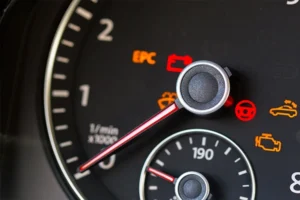
Battery Light
When your battery light comes on in the dashboard while driving, your car may be running primarily on battery power without the alternator. Potentially causing your vehicle to stop running at any time, given your battery’s overall health. The problem could also be due to a voltage regulator, a loose battery cable, corrosion on the battery or cable, a weak battery, or an electrical issue somewhere in your vehicle.
Common Causes of the Battery Light
- Weak/Old Battery
- Failing Battery
- Faulty Alternator
- Loose or Corroded Battery Connection
- Electrical System Issues
Oil Pressure Light
If the oil pressure light appears on your dashboard, your engine oil pressure is low. Without proper oil pressure, the engine cannot lubricate itself effectively and may suffer serious damage if not addressed. Have this issue checked immediately to avoid major complications.
Common Causes of the Oil Pressure Light
- Low Oil Level
- Dirty Oil
- Oil Pump Needs Replacing
- Oil Pressure Sensor Needs Replacing
TPMS Light
The primary function of the Tire Pressure Monitoring System (TPMS) is to alert you when tire pressure is too low, creating dangerous driving conditions. If the TPMS light is illuminated on your dashboard, your tires could be under-inflated, which can lead to possible tire failure. Both overinflation and underinflation can cause premature tire wear and, possibly, tire failure.
Common Causes of the TPMS Light
- Low Tire Pressure
- Sudden Weather Changes
- Tire Leak or Puncture
- Faulty TPMS Sensor
- Recent Tire Rotation/Changes
Traction Control Light
Your vehicle’s traction control system is responsible for keeping your car under control in situations where the traction is low, such as taking a corner on wet or snowy roads. The light will illuminate when your traction control system is active, helping your car make the proper adjustments when losing traction. If the light is solid on the dashboard, it most often indicates the traction control system has been disabled. In other cases, if the light is flashing, there is an issue preventing the system from working properly. When this light appears on your dashboard, you must drive carefully and stay aware of the road conditions.
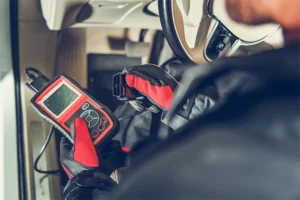
Diagnostic Service In Portland, OR
Your vehicle’s various dashboard lights are more than just an annoying dashboard warning—it’s your car’s way of telling you something isn’t right. If you’re experiencing a check engine light or any dashboard warning light, don’t ignore it. Let the experts at Jolene’s Auto Repair in Portland diagnose and fix the issue before it leads to bigger problems. Whether it’s a simple sensor replacement or a complex engine repair, we’ve got you covered. Contact us today or stop by our shop to schedule an appointment and get back on the road with confidence!